Home Loans Australia Home Loan Repayment Calculator
Calculate home loan repayments with our Home Loan Repayment Calculator. View detailed amortization charts, compare loan terms, and plan your mortgage with confidence.
Calculator results are estimates only and not quotes. Actual quotes will be provided by licensed brokers after you submit an enquiry.
Home Loan Details:
Important!
Home Loan Interest Rates differ from lender to lender and will depend on your individual circumstances (credit history, employment status, age, etc.). To find out if you qualify ... and for a free, personalised interest rate and repayment quote,
please CLICK HERE
Home Loan Amortisation Calculator
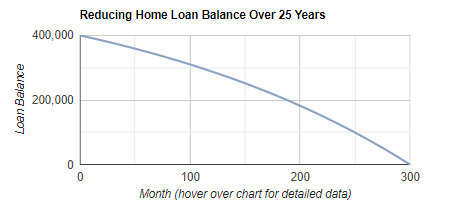
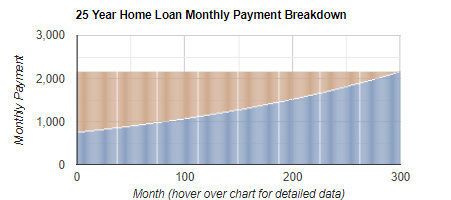
The following amortisation graphs detail month-by-month data on the progress of the proposed loan. The first chart below examines the reducing loan balance over the course of the finance contract term. The second graph illustrates the portion of each monthly repayment allocated to payment of interest vs principal reduction.
How to use our Home Loan Repayment Calculator
Our Home Loan Repayment Calculator helps you estimate your mortgage repayments in Australia and understand how a loan may reduce over time. It is useful for budgeting, comparing loan terms, and visualising an amortisation schedule (how each repayment is split between interest and principal). The calculator is designed for planning only and works best when you enter realistic assumptions.
Important information: Results are estimates only and do not constitute a quote. Interest rates and loan features vary by lender and may change. This information is general and does not take into account your objectives, financial situation or needs. Consider whether it is appropriate for you and seek professional advice if required.
How to complete the calculator fields (in order):
1. Purchase Price: Enter the property purchase price. If you expect to borrow extra for costs, you may choose to include amounts such as stamp duty, insurance, and other buying costs in this figure so your estimate reflects your likely loan size. Enter whole numbers only (no dots or commas).
2. Deposit or Equity Value: Enter your cash deposit or usable equity from another property (if applicable). A higher deposit generally reduces the loan amount and can lower repayments. Enter whole numbers only (no dots or commas).
3. Term of Loan (years): Select the number of years to repay the loan. Longer terms usually reduce repayments but increase total interest paid over the life of the loan.
4. Interest Rate (% per annum): Select an interest rate for the simulation. Use a realistic rate and consider testing higher rates to understand “rate rise” risk.
5. Calculate: Click calculate to generate your results.
How to interpret the results:
1. Repayment estimate: Use this as a starting point for affordability checks, remembering real loans may include fees and different features.
2. Amortisation charts: Review the loan balance chart to see how your balance falls over time, and the interest versus principal chart to understand how early repayments are typically interest-heavy, then shift toward principal reduction later.
3. Compare scenarios: Adjust the term, deposit/equity, or interest rate and recalculate to compare loan terms and see how changes affect repayments and total interest over time.
First home buyers in Australia may be able to access grants, transfer duty concessions, low-deposit guarantees, super-based savings support or shared equity programs. This guide explains how the main forms of government assistance differ, the eligibility factors that commonly apply, and how to factor them into your home loan planning. - read more
Embarking on the journey to homeownership is a quintessential part of the American dream, one that conjures images of stability, accomplishment, and personal sanctuary. Yet, this dream comes with significant financial implications that can often feel daunting to aspiring homeowners. Navigating the landscape of real estate and mortgages requires an understanding of the economic commitment it entails. - read more
Choosing a mortgage broker can be one of the first major decisions in the home-buying process. For first-home buyers, the right broker can help explain loan options, coordinate paperwork and guide communication with lenders, but it is still important to compare brokers carefully and understand how they work. - read more
Embarking on the journey to home ownership in Australia is both exciting and daunting. The housing market here is unique, with its own set of challenges and opportunities to navigate. Understanding the intricacies of this market is crucial as you begin your home ownership adventure. This means keeping an eye on property prices, interest rates, and evolving regulations that might impact your purchasing power. - read more
Welcome to our guide on simple steps to boost your home deposit savings! We’re thrilled to have you here as you embark on the exciting journey towards home ownership. Whether you're a first-time homebuyer or looking to upsize, saving for a home deposit is a crucial step. - read more
Australian home buyers are facing a familiar but important shift: even when interest rates appear steadier, larger property prices can still push borrowing plans back under pressure. Recent housing finance and property market reporting points to buyers taking on bigger loan commitments as values strengthen across parts of the country, particularly in markets where supply remains tight and competition for quality homes is still firm. - read more
First-home buyers are getting a fresh reason to revisit their purchase plans, with recent housing finance commentary pointing to stronger interest in low-deposit purchases under the expanded federal Home Guarantee Scheme. The broader settings are designed to help eligible buyers enter the market with a smaller deposit and without paying lenders mortgage insurance, which can otherwise add a substantial cost to buying with less than a standard deposit. - read more
Australia's housing market is showing renewed signs of momentum, and that matters for anyone preparing to buy or upgrade. Recent property market reporting suggests values are firming across several capitals after a patchier period, with buyer demand, limited listings and expectations around future interest rates all playing a role. For households who were hoping that earlier winter softness would create more room to negotiate, the latest shift is a reminder that affordability can change quickly. - read more
Australia’s mortgage market has moved into another watch-and-wait phase after the Reserve Bank of Australia kept the cash rate unchanged at its latest meeting. For borrowers, the decision offers a welcome period of stability, but it should not be mistaken for a signal that home loan costs are now locked in place. - read more
Australia's home loan market appears to be shifting into a more competitive phase, with recent lending indicators suggesting investor activity is strengthening while many owner-occupiers remain cautious. For aspiring buyers, this matters because a lift in investor demand may influence auction conditions, price expectations and the urgency around securing finance before making an offer. - read more
Option: A financial derivative that gives the buyer the right, but not the obligation, to buy or sell an asset at a specified price on or before a specified date.